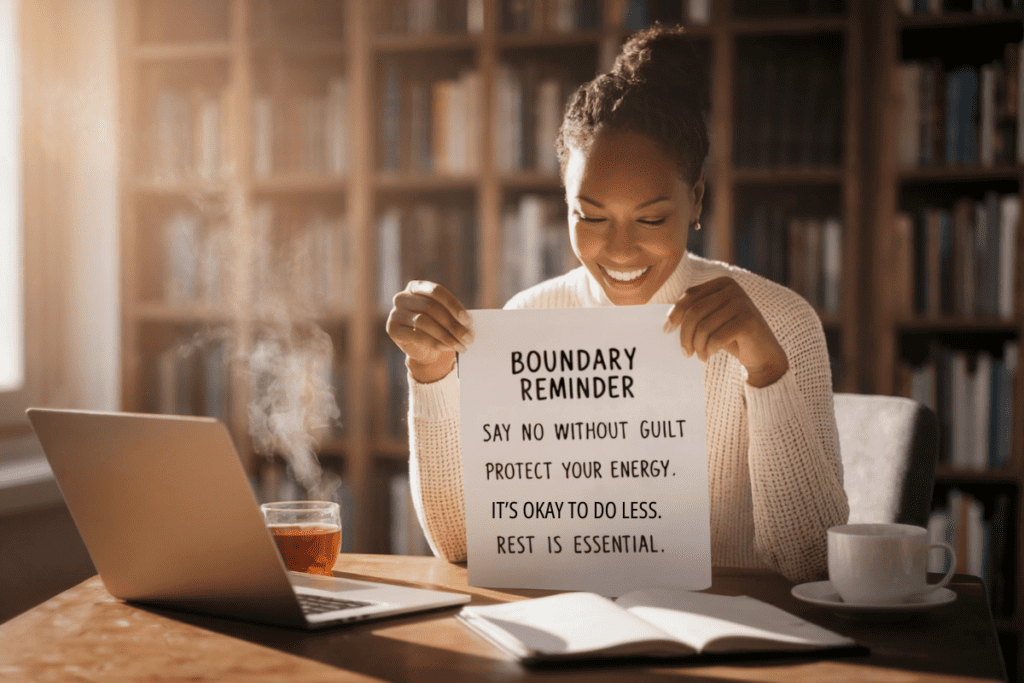
Coping strategies are essential tools for managing stress and anxiety. While there’s no one-size-fits-all solution, finding the right techniques for stress management can greatly improve mental health and overall well-being. When used consistently, these tools help build resilience and support emotional balance.

Stress shows up differently for everyone, which means our coping strategies should be just as personal. Whether you’re facing a major life change or the daily grind, the right tools can make a real difference. Techniques like mindfulness, physical activity, and reaching out for support can help you respond to stress with intention rather than just reacting.
The first step is recognizing what triggers your stress or anxiety. Once you understand those patterns, building healthy routines—like consistent sleep, movement, or mental breaks—can support emotional balance.
Sometimes, managing stress requires more than self-help. In those cases, talking to a mental health professional can help you create a plan that fits your specific needs.
Key Takeaways
- Coping strategies are crucial for managing stress and anxiety.
- Tailored strategies enhance mental well-being.
- Healthy routines and professional help support effective coping.
Understanding Stress and Anxiety
Stress and anxiety are common responses to life’s demands and can have a significant impact on mental and physical health. Chronic stress can lead to various health issues, while managing stress effectively can help improve overall well-being.
The Psychology of Stress
Stress is a psychological response to perceived threats or challenges. When these situations arise, the brain triggers a fight-or-flight response, releasing hormones like adrenaline and cortisol. These hormones prepare the body for quick action but can cause anxiety if felt too often.
Chronic stress can alter mood, leading to irritability or depression. It can also affect cognitive functions like memory and concentration. Psychological factors, such as personal experiences and perception of stressors, determine how individuals react.
Understanding the psychological aspects of stress is crucial for developing effective coping strategies, which can include relaxation techniques, therapy, and mindfulness practices.
Physical Health and Stress Response
The body’s response to stress affects physical health. During stress, the heart rate increases and muscles tense. This reaction is normal in short-term situations but can be harmful if it becomes chronic.
Chronic stress can lead to health problems like heart disease, high blood pressure, and weakened immune function. It also affects sleep patterns, leading to insomnia or restless sleep, further aggravating stress levels.
Engaging in regular exercise and maintaining a healthy sleep routine can help mitigate the effects of stress on physical health.
By managing their body’s response, individuals can reduce the negative impact of stress over time.
Coping Strategies Overview
Coping strategies are methods used to manage stress and emotional challenges. They can be divided into active coping strategies, which tackle the source of stress, and mental and emotional techniques, which focus on handling emotions.
Active Coping Strategies
Active coping involves direct actions to solve problems or reduce stress. Problem-focused coping is a key approach here. This involves identifying the stressor and developing a plan to tackle it.
For instance, a person might create a list of tasks and prioritize them to better manage their workload.
Exercise is another form of active coping. Regular physical activity can reduce stress and improve mood by releasing endorphins.
Planning is also essential, as it helps in organizing tasks and anticipating potential obstacles, making it easier to face challenges with confidence.
Mental and Emotional Techniques
Mental and emotional techniques focus on managing feelings associated with stress. Emotion-focused coping is a significant method here.
Practices like meditation and deep breathing can help calm the mind and reduce anxiety. These activities focus on redirecting attention away from stressors and towards a peaceful state.
Journaling is another helpful technique. It provides an outlet for expressing and processing emotions, helping individuals understand their feelings better.
These techniques are crucial for stress management, as they help individuals maintain emotional balance and resilience when faced with challenging situations.
Implementing Healthy Routines
Adopting healthy routines can greatly enhance mental health and reduce stress. By focusing on regular physical activity and achieving adequate sleep, individuals can improve their overall well-being.
Exercise as Coping
Regular exercise is a powerful tool for stress management. Engaging in activities like walking, jogging, or yoga not only boosts physical health but also promotes mental clarity. These exercises release endorphins, chemicals in the brain that act as natural painkillers and mood elevators.
For those coping with stress, setting up a consistent exercise routine helps in developing discipline. It’s not just about rigorous workouts; even simple activities such as daily stretches can be impactful.
Establishing a schedule enhances motivation and ensures exercise becomes a natural part of daily life. Additionally, group exercises offer social interaction, which can further elevate mood and provide emotional support, helping individuals manage and cope with life’s challenges.
Importance of Sleep
Adequate sleep is essential for maintaining mental health and managing stress. During sleep, the body undergoes vital processes that restore energy, repair tissues, and consolidate memories.
For effective stress management, adults should aim for 7-9 hours of quality sleep each night, creating a routine that ensures consistency. This involves going to bed and waking up at the same time daily.
Creating a sleep-friendly environment is also crucial. This includes minimizing noise and light, keeping the bedroom cool, and limiting electronic device use before bedtime.
Lack of sleep can lead to irritability and a decrease in cognitive function, making it harder to cope with stress. Prioritizing sleep builds resilience against daily stressors and enhances overall mental health.
Mindfulness and Relaxation Techniques
Mindfulness and relaxation techniques are valuable for managing stress and improving mental health. These practices, such as meditation and deep breathing, help reduce anxiety and promote a sense of calm. They can also enhance concentration and emotional balance.
Practicing Meditation
Meditation is a mindfulness practice that focuses on being present in the moment. It involves sitting quietly and concentrating on breathing or a mantra.
Regular meditation sessions can reduce stress and anxiety. Additionally, it can improve focus and emotional well-being.
Meditation often begins with finding a quiet, comfortable space. Practitioners close their eyes and focus on their breath. This simple act helps quiet the mind and encourage relaxation.
Over time, meditation can lead to increased self-awareness and a healthier response to stress.
Deep Breathing Exercises
Deep breathing exercises are another effective relaxation technique. They involve focusing on slow, deep breaths to calm the body and mind.
This practice can lower stress levels and decrease anxiety symptoms. Deep breathing helps activate the body’s natural relaxation response.
To practice, individuals can breathe in deeply through the nose, hold for a few seconds, and exhale slowly through the mouth. Repeating this process several times can help reduce tension and improve overall well-being.
Deep breathing is simple and can be done anywhere, making it an accessible tool for stress management.
Social and Emotional Support
Social and emotional support play a crucial role in managing stress and improving well-being. By building strong support networks and practicing expression techniques, individuals can better navigate challenges.
Seeking Social Support
Seeking social support is an important part of coping with stress. Engaging with friends, family, or community groups can provide emotional help and practical advice.
Talking with trusted individuals allows people to share their feelings and gain different perspectives. It is especially helpful for those experiencing chronic stress, as it offers comfort and assurance.
Strong social connections have been linked to better mental health, reducing the likelihood of resorting to negative coping mechanisms like substance abuse.
Support networks can encourage positive coping strategies by offering a safe space for emotional expression and problem-solving.
Journaling and Emotional Expression
Journaling is a powerful tool for emotion-focused coping. By writing down thoughts and feelings, individuals can process and understand their emotions better.
This technique aids in stress management by releasing pent-up emotions in a constructive manner. Journaling fosters self-awareness and provides a private outlet for exploring personal challenges.
Combining this with other forms of emotional expression, such as art or music, can enhance the therapeutic effect. The process of organizing thoughts on paper can lead to insights and new coping strategies, ultimately supporting overall well-being.
Professional Help and Resources
Professional help can be crucial when dealing with chronic stress and anxiety. It provides structured coping strategies and tools tailored to individual needs. Access to stress management programs can further support those seeking to maintain mental health.
When to Seek Professional Help
Recognizing when it’s time to seek professional help is vital for maintaining mental health. If someone experiences persistent feelings of anxiety or chronic stress that interfere with daily life, it may be time to consult a mental health professional.
Therapists and counselors offer support and guidance in developing effective coping strategies.
Awareness of symptoms like constant worry, sleep disturbances, or sudden mood changes can help in identifying the need for professional intervention.
Professionals can assess situations objectively and provide personalized approaches to stress management. With their expertise, individuals can learn techniques to better manage stressors and improve their quality of life.
Stress Management Programs
Stress management programs are valuable resources in learning how to cope with stress effectively. These programs often include workshops, seminars, and group sessions designed to educate and empower.
They cover various topics like relaxation techniques, effective communication skills, and maintaining work-life balance.
Participants may engage in activities that promote well-being, such as mindfulness exercises and breathing techniques.
By joining a stress management program, individuals can connect with others facing similar challenges, fostering a community of support. Additionally, these programs provide structured environments to practice and refine new coping strategies, leading to long-term improvements in emotional resilience.
Personal Planning and Goal Setting
Effective personal planning and goal setting can transform one’s approach to life challenges. By setting clear objectives, individuals can focus their efforts and maintain motivation.
This process involves identifying what is important and charting a path to achieve it.
Planning is a crucial component. It involves outlining steps, determining resources needed, and identifying potential obstacles.
This structure not only provides direction but also boosts confidence.
Problem-focused coping is an essential strategy in this context. It involves tackling problems head-on by looking for solutions. This proactive approach can alleviate stress and improve problem-solving skills.
Active coping is another important aspect. By taking intentional actions to deal with stressors, individuals can remain in control of their situations. This might mean seeking support, learning new skills, or making lifestyle changes.
| Strategy | Approach |
|---|---|
| Planning | Outlining steps and resources |
| Problem-Focused | Finding solutions to problems |
| Active Coping | Taking decisive actions |
To make goal setting more effective, it’s helpful to use the SMART criteria:
- Specific: Clear and precise goals.
- Measurable: Track progress and achievements.
- Attainable: Realistic and achievable aims.
- Relevant: Goals that matter to the individual.
- Time-bound: Set deadlines for motivation.
By combining these techniques, individuals can create a productive framework for achieving their personal aspirations.
Risks of Unhealthy Coping Mechanisms
Unhealthy coping mechanisms can pose significant challenges, impacting mental health and well-being. These methods might offer temporary relief but often lead to long-term issues, such as chronic stress and substance abuse.
Understanding Substance Abuse
Substance abuse is a common but harmful way some people try to cope with stress or emotional pain. Individuals might turn to alcohol, drugs, or other substances to manage their feelings.
While it might provide temporary escape, this method can quickly lead to addiction and a range of mental health issues.
The risk of dependency grows with continued use, making it harder to cope with stress without these substances.
Addiction can harm relationships, leading to social isolation and additional stress. Not only does this worsen existing problems, but it also creates new health concerns, such as liver damage or increased risk of mental illnesses. For more information on how negative coping styles relate to mental health, consider reading about the factors involved in negative mental outcomes and suicide risk.
Consequences of Avoidance Behaviors
Avoidance behaviors are another risky coping strategy where individuals shun confronting stressors or emotions directly. People might ignore issues, stay busy with distractions, or withdraw from social interactions.
This short-term relief usually makes stress worse over time.
Avoiding problems can lead to chronic stress, as unresolved issues linger and grow. Emotion-focused coping, where emotional responses are managed rather than addressing the problem itself, is a common form of avoidance.
This can lead to feelings of anxiety and depression. Over time, chronic avoidance can affect mental health, reducing an individual’s quality of life and ability to effectively manage stress. Avoidance behaviors are explored in strategies for stress relief that can help reduce harmful effects of stress strategies for stress relief.
Frequently Asked Questions
Coping strategies are essential tools for dealing with stress, anxiety, and other challenges. Understanding their types, effectiveness, and application can greatly improve mental health and resilience.
What are the different types of coping strategies for stress?
Coping strategies for stress can be categorized into problem-focused and emotion-focused methods. Problem-focused strategies deal with addressing the problem directly, while emotion-focused strategies aim to manage emotions. Examples include time management and relaxation techniques.
What do authors say about the definition of coping strategies?
Authors typically define coping strategies as the methods people use to handle life’s difficulties. They emphasize these strategies’ role in helping individuals adapt to stress and improve overall well-being.
How can one use coping strategies to improve mental health?
One can improve mental health by incorporating coping strategies such as mindfulness, exercise, and social support. These techniques help manage stress, decrease anxiety, and promote a balanced emotional life over time.
What coping strategies are most effective for managing anxiety?
Effective coping strategies for managing anxiety include practicing deep breathing, engaging in physical activity, and employing cognitive-behavioral techniques. Each of these methods helps reduce anxiety by calming the mind and body.
How do coping strategies differ from one another?
Coping strategies differ based on their focus and approach. Some target problem-solving, others emotional relief. The choice of strategy often depends on personal preferences and the nature of the stressor involved.
Can you list a comprehensive set of coping skills to handle various life challenges?
A comprehensive set of coping skills might include deep breathing, journaling, seeking professional help, time management, and building a strong support network.
These tools can be adjusted based on the specific challenge or stressor faced.