When people picture anxiety, they don’t usually imagine it in the middle of a sunny day. But for many, summer isn’t the season of carefree fun—it’s when their mental health quietly starts to unravel.
If you’ve ever felt more off during the warmer months, you’re not imagining it. Summer anxiety is real, and you’re far from alone.
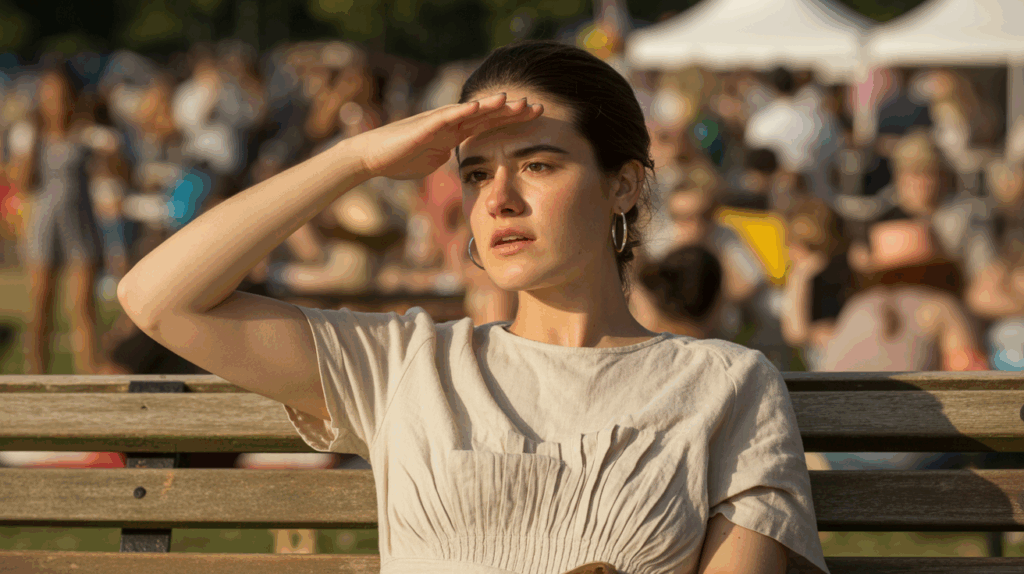
Table of Contents
The Hidden Side of Summer: What Makes Anxiety Worse
When people picture anxiety, they don’t usually imagine it in the middle of a sunny day. But for many, summer isn’t the season of carefree fun—it’s when their mental health quietly starts to unravel.
If you’ve ever felt more off during the warmer months, you’re not imagining it. Summer anxiety is real, and you’re far from alone.
Summer is marketed as a time of ease and adventure. But under the surface, it can bring a set of unique stressors that many don’t talk about.
Here’s why anxiety might creep up when the temperature rises:
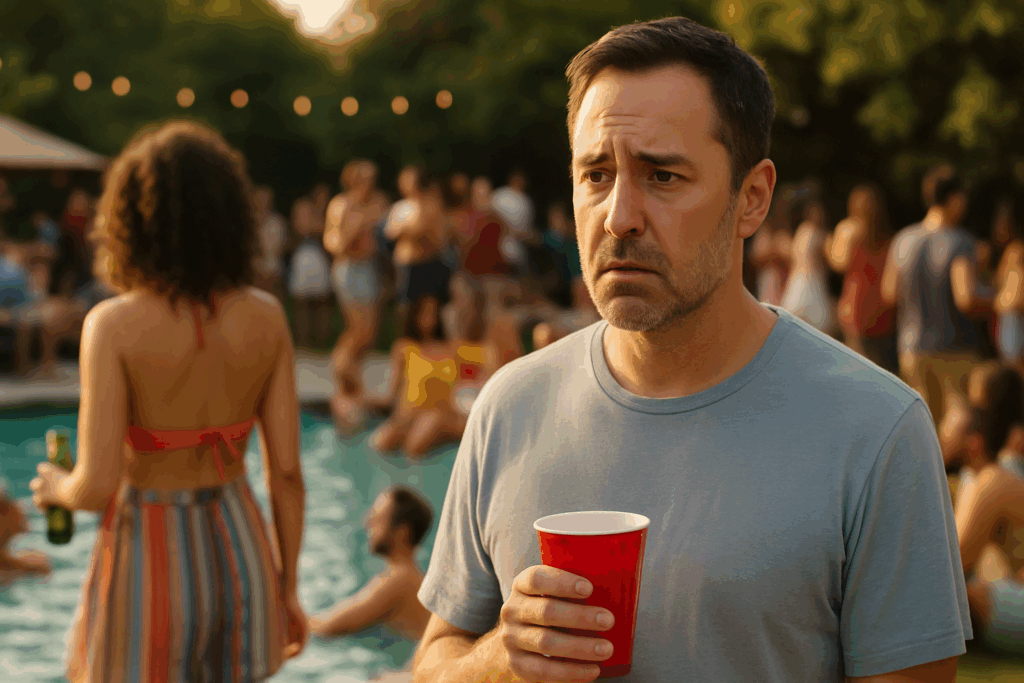
- Increased Social Pressure: Beach trips, cookouts, vacations—summer is filled with invitations and expectations. If you’re socially anxious or overwhelmed easily, this can feel like constant pressure to perform.
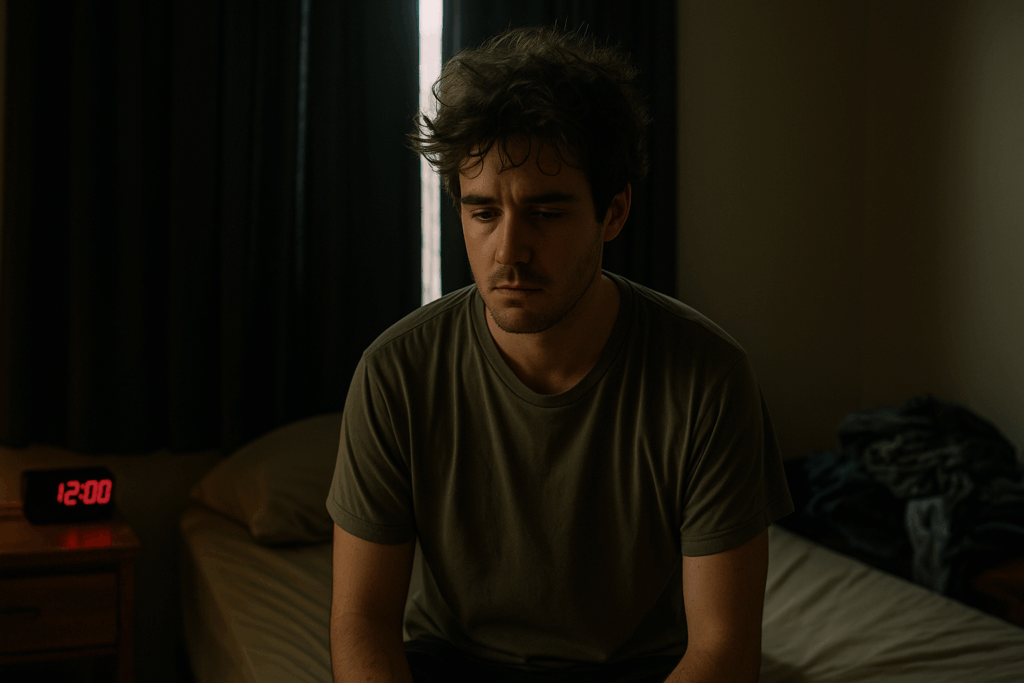
- Disrupted Routines: School’s out. Work schedules shift. Even your usual sleep/wake times may get thrown off by the long daylight hours. For people who depend on structure, this lack of rhythm can feel destabilizing.
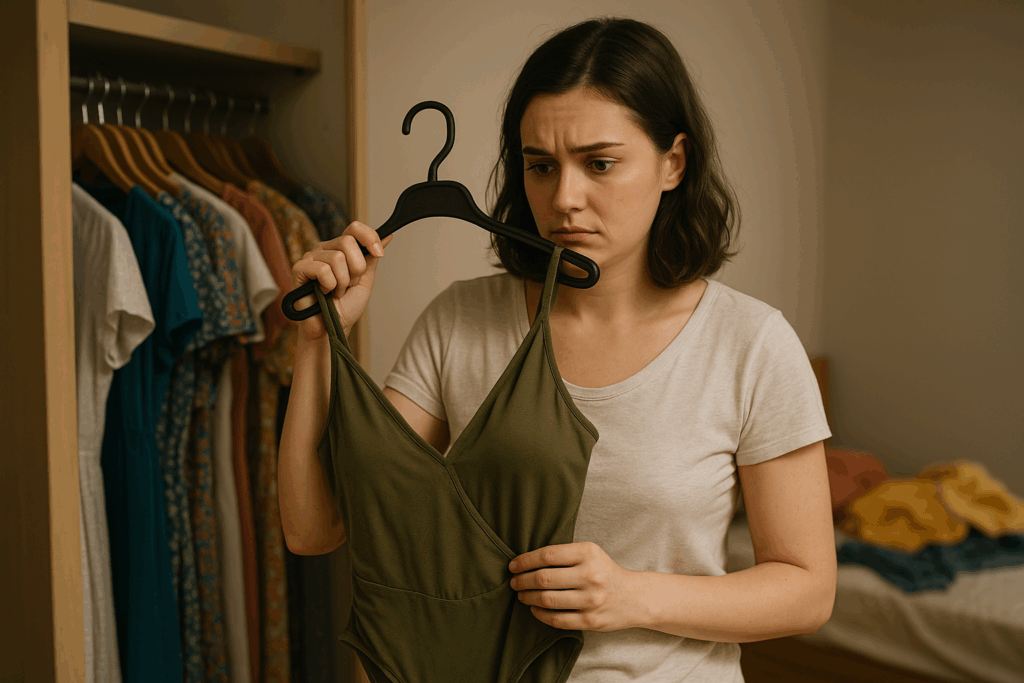
- Body Image Triggers: Swimsuits, tank tops, and social comparison can intensify negative self-talk and discomfort with your body.
- Heat & Overstimulation: Hot weather can make your nervous system more reactive. Sensory overload (bright light, noise, crowds) also ramps up during summer events.
- FOMO & Social Media: Everyone else seems to be “living their best life” on Instagram. If you’re not in the mood to socialize, this can spark guilt, shame, or feelings of inadequacy.
- Sleep Disruptions: Longer daylight hours and increased heat can make it harder to fall asleep or stay asleep—fueling emotional dysregulation the next day.
- Financial Strain: Vacations, childcare, and summer activities add up. Money stress is often a hidden contributor to seasonal anxiety.
The Science Behind Summer SAD
Most people associate Seasonal Affective Disorder (SAD) with the winter blues, but there’s also a lesser-known summer counterpart.
Summer-pattern SAD can be driven by:
- Too much light exposure disrupting melatonin production
- A drop in serotonin balance
- Difficulty regulating heat (especially for those sensitive to temperature)
- An increase in cortisol due to stress and overstimulation
While it’s less common than winter SAD, it can be just as debilitating—and even harder to recognize, since most people assume summer is supposed to feel “good.”
Who’s Most at Risk?
Certain groups may be more vulnerable to summer-related mental health shifts:
- People with existing anxiety or mood disorders
- Highly Sensitive People (HSPs)
- Neurodivergent individuals (including ADHD and autistic folks)
- Parents or caregivers adjusting to lack of school structure
- Those who depend on routine for emotional regulation
If any of these apply to you, know that what you’re feeling is valid—and you’re not weak for needing extra support during this time.
How to Cope with Summer Anxiety
Here are a few ways to protect your peace during the sunny season:
- Stick to a Sleep Schedule: Blackout curtains, white noise, and cool temperatures can help you maintain consistent rest.
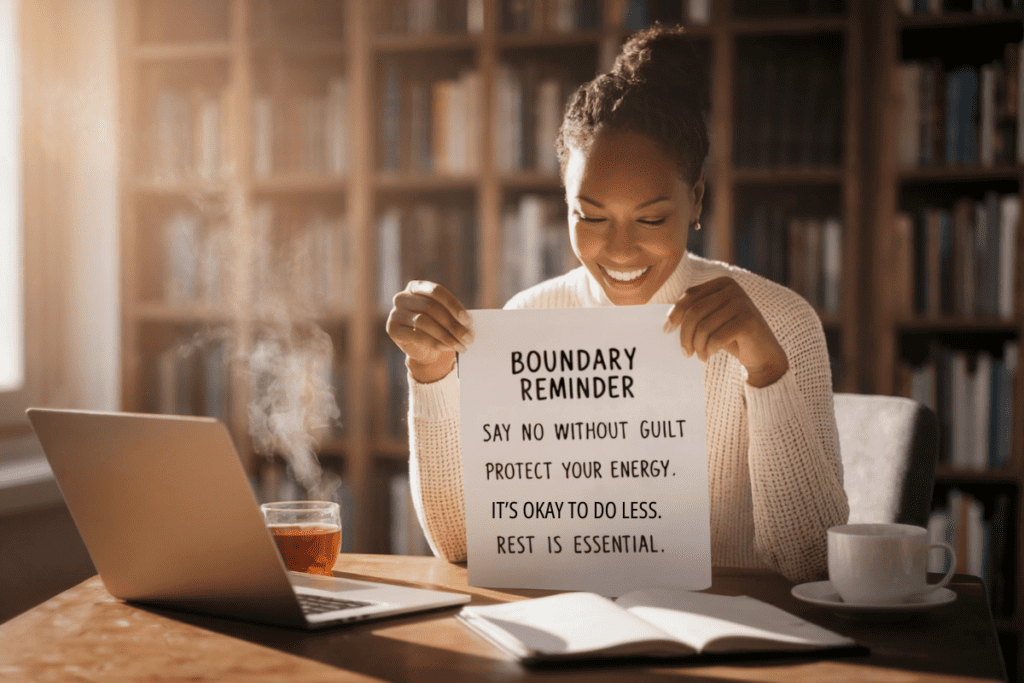
- Plan Recovery Time: You don’t have to say yes to every invite. Block out time to rest and recharge—before you burn out.
- Dress for You, Not for the Crowd: Choose what makes you feel physically and emotionally safe in your body.
- Hydrate & Nourish: Dehydration, caffeine, and low blood sugar can make anxiety worse. Prioritize hydration and steady meals.
- Reframe FOMO: Practice JOMO—the Joy of Missing Out. Quiet days have value, too.
- Create Cool-Down Rituals: Use cold compresses, calming music, grounding exercises, or short walks in shaded areas.
- Talk to a Therapist: If your anxiety is persistent or affecting your daily functioning, it may be time to explore deeper emotional patterns with a professional.
When to Seek Support
If your anxiety lasts more than two weeks, begins to affect your work, relationships, or physical health, or feels unmanageable—reach out. Mental health support isn’t seasonal. You deserve care year-round.
At HOPE Therapy, we work with clients experiencing all types of anxiety, including those triggered by transitions and seasonal changes. You don’t have to figure this out alone.
Closing Thoughts: You’re Not ‘Broken’—You’re Sensitive to Shifts
Feeling anxious when the world expects you to be joyful can be deeply isolating. But sensitivity is not a flaw—it’s your nervous system’s way of trying to protect you.
You’re not weird for struggling in the sunshine. You’re just human—with an internal world that deserves understanding, not judgment.